In the deep shadows of ancient forests and across the sweeping expanse of primordial landscapes, humanity’s earliest spiritual impulses took root. Among the most profound and enduring of these was the veneration of animal totems—a practice woven into the very fabric of prehistoric belief systems. This was not mere superstition; it was a complex, symbolic language through which our ancestors interpreted the world, its mysteries, and their place within it. The relationship was one of profound reciprocity: awe inspired reverence, and reverence, in turn, fostered a sacred bond with the natural world.
The dawn of totemic belief likely emerged alongside the development of human consciousness itself. As early hunter-gatherer societies struggled for survival, their existence was intimately tied to the animals they hunted and those that hunted them. These creatures were not just sources of food or threats to be feared; they were embodiments of power, agility, strength, and cunning—attributes essential for survival. A successful hunt meant life; an encounter with a predator could mean death. This daily dance with life and death fostered a deep, visceral respect. Animals were seen as possessing spirits or supernatural powers, and their essence was thought to be accessible through ritual, imitation, and symbolic representation.
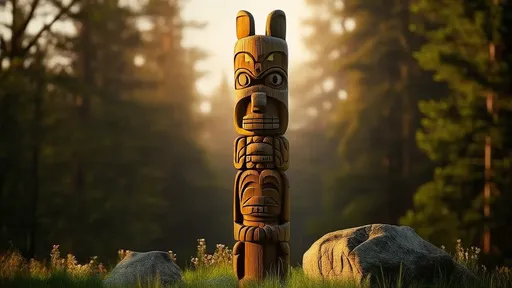
This reverence manifested in myriad ways across the globe. In the frozen north, the Inuit peoples looked to the polar bear, Nanook, as a master hunter and a spiritual guide, believing the creature held immense wisdom and power over the success of the hunt. To harm a bear without proper ceremony was to invite misfortune. Deep within the rainforests of the Amazon, tribes saw the jaguar as a shapeshifting shaman, a creature that could move between the physical and spiritual worlds. Its spotted coat was likened to the starry night sky, connecting the earthly and the celestial. On the vast plains of North America, the Lakota and other Plains tribes held the buffalo as a sacred relative, a symbol of life and abundance. Every part of the animal was used, and its sacrifice was met with prayers of gratitude, acknowledging its spirit and the sustenance it provided.
Across the Atlantic, the ancient Egyptians elevated animal worship to a central tenet of their state religion. Deities were consistently depicted with animal features, blurring the line between the divine and the bestial. The goddess Bastet, protector of the home, was portrayed as a lioness or a domestic cat, embodying both ferocity and nurturing grace. The ibis-headed Thoth was the god of wisdom and writing, his form suggesting a quiet, probing intelligence. These were not arbitrary choices; each animal’s behavior and characteristics were meticulously observed and became metaphors for the gods’ domains. To harm a sacred animal was a direct offense against the god it represented.
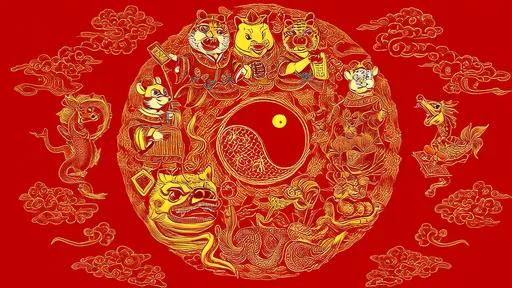
The cognitive underpinnings of this worldview are fascinating. Anthropologists like Claude Lévi-Strauss argued that animals served as “good to think” rather than just “good to eat.” They provided a ready-made system of classification—a way to structure the chaos of the natural and social world. A tribe might identify with the bear clan or the eagle clan, using the animal’s traits to define their own identity, social roles, and taboos. This totemic identity created a web of kinship that extended beyond human relations to include the entire natural order. It was an early form of systems thinking, recognizing the interconnectedness of all life.
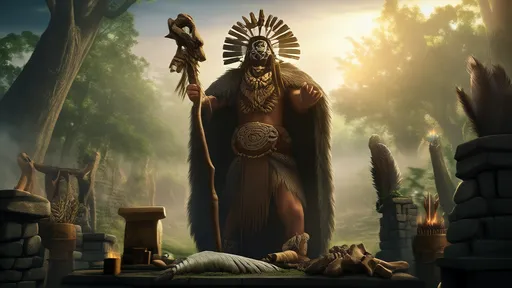
Furthermore, the act of ritualistic imitation, such as wearing animal skins and performing dances to mimic a successful hunt, was far more than playacting. It was a form of sympathetic magic, a deeply held belief that by embodying the essence of the animal, one could channel its power, ensure its abundance, and maintain the cosmic balance. These rituals were the bedrock of community cohesion, reinforcing shared values, myths, and the collective knowledge necessary for survival in a unpredictable world.
Perhaps the most powerful and enduring aspect of animal totemism was its inherent ethic of conservation. When an animal is viewed as a spiritual relative or a divine messenger, its wanton destruction becomes unthinkable. Hunting was governed by strict protocols—only taking what was needed, offering prayers of thanks, and using every part of the animal to honor its sacrifice. This was a sustainable practice born not of environmental policy, but of deep-seated spiritual conviction. The well-being of the animal tribe was directly linked to the well-being of the human tribe.
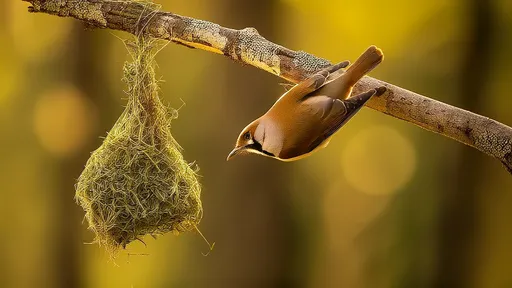
In our modern era, dominated by technology and a often exploitative relationship with nature, these ancient beliefs might seem distant and primitive. Yet, their echo is unmistakable. They live on in the heraldic symbols of nations, the mascots of sports teams, and the stories we tell our children. The wolf still symbolizes untamed freedom, the owl wisdom, and the lion courage. Our fascination with wildlife documentaries is, in its own way, a modern form of nature worship—a seeking to understand and connect with the powerful, otherworldly beauty of the animal kingdom.
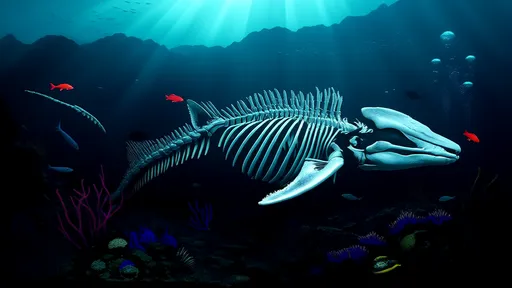
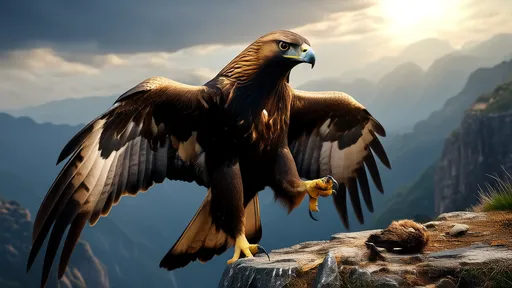
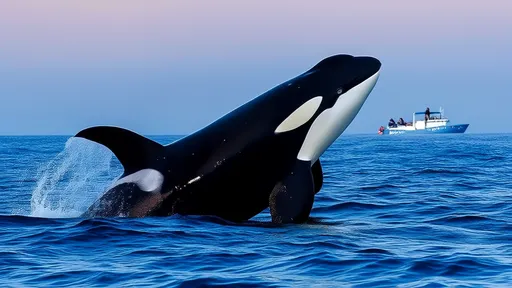
The legacy of animal totemism challenges the modern dichotomy that separates humanity from nature. It reminds us that our ancestors did not see themselves as masters of the natural world, but as participants in a vast, animate, and intelligent web of life. Their reverence was a response to the sheer power and mystery of existence, a acknowledgement of forces greater than themselves. In rediscovering this perspective, we might find a path toward a more humble and sustainable coexistence, recognizing that the awe our ancestors felt for the bear, the eagle, and the whale is not a relic of the past, but a wisdom urgently needed for our future.
By /Aug 21, 2025
By /Aug 21, 2025
By /Aug 21, 2025
By /Aug 21, 2025
By /Aug 21, 2025
By /Aug 21, 2025

By /Aug 21, 2025
By /Aug 21, 2025
By /Aug 21, 2025
By /Aug 21, 2025
By /Aug 21, 2025
By /Aug 21, 2025
By /Aug 21, 2025
By /Aug 21, 2025
By /Aug 21, 2025
By /Aug 21, 2025
By /Aug 21, 2025
By /Aug 21, 2025
By /Aug 21, 2025
By /Aug 21, 2025
