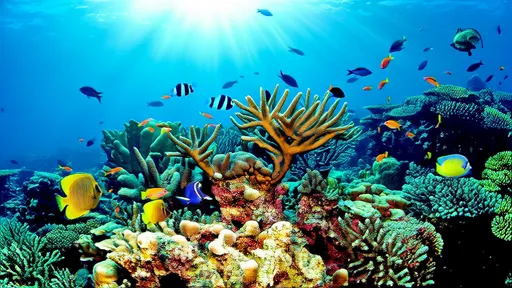
Coral reefs, often hailed as the rainforests of the sea, represent one of the most vibrant and biologically diverse ecosystems on our planet. These underwater marvels, though covering less than one percent of the ocean floor, are bustling metropolises of marine life, supporting an estimated quarter of all marine species. This incredible density of life in such a confined area is a testament to the complex and delicate balance that defines these submerged kingdoms. The analogy to tropical rainforests is strikingly apt; both are characterized by immense biodiversity, intricate symbiotic relationships, and a frightening fragility in the face of environmental change. To understand a coral reef is to peer into a world of breathtaking interdependence and dazzling beauty, a world that is both incredibly resilient and alarmingly vulnerable.
The very foundation of this ecosystem is built by the coral polyps themselves, tiny, soft-bodied organisms related to anemones and jellyfish. These diminutive architects live in colonies, and in a magnificent act of biological engineering, they extract calcium carbonate from the seawater to construct hard, protective skeletons that form the complex structures we recognize as a reef. This is not a solitary endeavor. Within the tissues of most reef-building corals reside millions of microscopic algae called zooxanthellae. This partnership is the engine of the entire ecosystem. The algae, through photosynthesis, provide up to 90 percent of the energy the coral needs to grow and build its skeleton. In return, the coral polyp offers the algae a safe home and access to sunlight. This symbiotic relationship is the heartbeat of the reef, fueling its growth and granting the coral its vibrant colors.
This calcareous framework provides the stage for an unparalleled display of biodiversity. The nooks, crannies, and towering structures of a healthy reef offer endless niches for organisms to exploit, leading to an explosion of life forms. From the smallest cryptic creatures to the largest predators, every inch is occupied. A casual observer might first notice the fish—a swirling kaleidoscope of color and pattern. Parrotfish, with their beak-like teeth, crunch on coral to access the algae within, playing a crucial role in producing the sand that forms tropical beaches. Graceful angelfish and butterflyfish flit between coral branches, while industrious clownfish dart protectively around their host anemones. The moray eel, a stealthy predator, lies in wait within crevices, and the apex predator, the reef shark, patrols the outer slopes, maintaining order in the aquatic city.
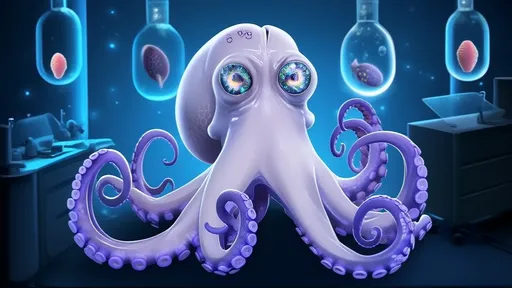
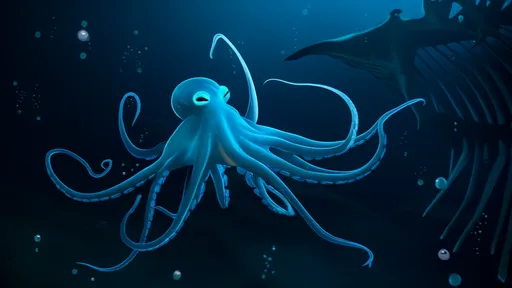
But the spectacle extends far beyond the fish. The reef is a universe of invertebrates. Spiny lobsters and delicate shrimp scavenge the seafloor. Octopuses, masters of camouflage and intelligence, manipulate their environment and solve complex problems. Delicate sea stars and sluggish sea cucumbers traverse the substrate. The coral structures themselves are alive with countless worms, sponges, and tunicates, all filtering the water and contributing to the reef's intricate food web. At night, the reef transforms entirely, as nocturnal species like the squirrelfish emerge and corals extend their tiny tentacles to feed on plankton, revealing a hidden, pulsating world that operates on a different shift from the diurnal activity.
This staggering diversity is not random; it is the result of millions of years of evolution and co-evolution, leading to an intricate web of relationships where every species has a role. Cleaner wrasses set up stations where larger fish line up to have parasites removed from their mouths and gills—a clear example of mutualism. The aforementioned clownfish enjoys protection from the stinging tentacles of its anemone home, while it defends the anemone from its predators. This interdependence means that the loss of a single species can send ripples, or even shockwaves, through the entire community, destabilizing the delicate equilibrium that allows such abundance to flourish. The resilience of the reef is a direct product of its biodiversity; the more complex the web, the better it can withstand and recover from disturbances.
Yet, for all their grandeur and resilience, coral reefs are under siege from a barrage of human-induced threats. The most pervasive danger is climate change. Rising sea temperatures cause corals to become stressed, leading them to expel their life-giving zooxanthellae algae in a process known as coral bleaching. Without their algal partners, the corals turn bone-white and slowly starve. While not immediately fatal, prolonged bleaching events lead to widespread mortality. Furthermore, the ocean's absorption of excess atmospheric carbon dioxide is causing ocean acidification, which literally changes the chemistry of the seawater. This makes it more difficult for corals and other calcifying organisms to build their skeletons, effectively slowly dissolving the very foundation of the ecosystem.
Localized pressures compound these global issues. Destructive fishing practices, such as blast fishing and the use of cyanide, physically destroy reef structures. Pollution from agricultural runoff and inadequate wastewater treatment introduces excess nutrients into the water, leading to algal blooms that smother corals and block essential sunlight. Sedimentation from coastal development and deforestation clouds the water with the same effect. Unsustainable tourism, while well-intentioned, can lead to physical damage from anchors, fins, and careless touching, as well as pollution from sunscreens that contain chemicals harmful to coral reproduction and health.
The decline of these ecosystems is not just an ecological tragedy; it is a profound human crisis. Hundreds of millions of people worldwide depend directly on healthy coral reefs for their food, livelihoods, and coastal protection. Reefs act as natural breakwaters, significantly dissipating the energy of waves and storms before they reach the shore, protecting vulnerable coastal communities from erosion and flooding. The loss of this service would be catastrophic for many island nations and coastal cities. The potential economic losses from collapsed fisheries and diminished tourism are staggering, running into the billions of dollars annually.
Despite the grim outlook, hope is not lost. The scientific community is racing against time to develop innovative solutions. Active restoration projects are springing up across the globe, where scientists and local communities cultivate resilient strains of coral in underwater nurseries before transplanting them onto degraded reefs. There is also intense research into identifying "super corals"—individuals or species that have naturally withstood previous bleaching events—with the aim of breeding more resilient future generations. On a policy level, the expansion of strongly protected Marine Protected Areas (MPAs) has proven highly effective in allowing reefs to recover and thrive by eliminating local stressors like fishing and pollution. Ultimately, the most critical action remains the rapid and decisive global reduction of greenhouse gas emissions to mitigate climate change, the single greatest threat to their survival.
Coral reefs are far more than just beautiful underwater landscapes; they are the cornerstones of marine biodiversity, vital economic assets, and indispensable guardians of our coastlines. They are a natural wonder that has taken millennia to develop but which we could lose within a generation. Their fate is inextricably linked to our own choices. Protecting them is not an isolated environmental cause but a fundamental imperative for the health of our oceans and the future of human societies that rely on them. The time for decisive action is now, before the silent, white skeletons of bleached reefs become the haunting monuments to our inaction.
By /Aug 21, 2025
By /Aug 21, 2025
By /Aug 21, 2025
By /Aug 21, 2025

By /Aug 21, 2025
By /Aug 21, 2025
By /Aug 21, 2025
By /Aug 21, 2025
By /Aug 21, 2025
By /Aug 21, 2025
By /Aug 21, 2025
By /Aug 21, 2025

By /Aug 21, 2025
By /Aug 21, 2025

By /Aug 21, 2025
By /Aug 21, 2025
By /Aug 21, 2025

By /Aug 21, 2025
By /Aug 21, 2025
By /Aug 21, 2025
