Nestled in the heart of the Pearl River Delta, Shunde is not merely a district of Foshan city but a culinary kingdom revered across China. For generations, this region has been the silent powerhouse behind Cantonese cuisine's global fame, a place where food is not just sustenance but a profound cultural expression. The very air seems perfumed with the wok hei—the breath of the wok—from countless kitchens, both humble and grand. To embark on a gastronomic journey through Shunde is to trace the soul of Cantonese cooking, from sizzling street stalls tucked into ancient alleys to time-honored banquets in century-old restaurants. This is a complete guide, a treasure map for the palate, leading you through the unforgettable flavors that define this food paradise.
The adventure truly begins on the vibrant streets, where the most authentic and immediate tastes of Shunde come to life. Here, culinary mastery is on full display, often passed down through families for decades. One cannot speak of Shunde street food without bowing to the supremacy of double-skinned milk. This iconic dessert, with its origins firmly rooted in the region, is a marvel of texture—a silken, custard-like pudding with a delicate skin formed on its surface, traditionally served slightly warm and subtly sweetened. It is a testament to the Shunde artisans' dedication to their craft, a simple ingredient transformed into something ethereal.
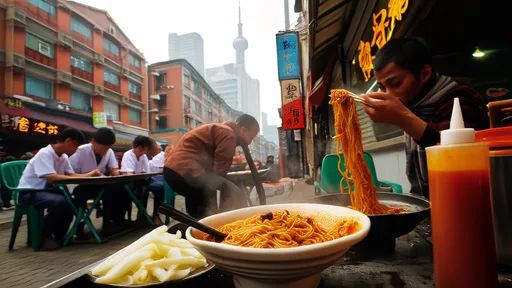
Venturing further into the bustling night markets and narrow lanes, the symphony of sizzling and chopping guides you to other legendary stalls. Steamed milk with ginger juice offers a warming, spicy counterpart to its double-skinned cousin, its creamy texture cut through by the sharp, aromatic kick of fresh ginger. Then there are the fried milk parcels, a seemingly paradoxical creation where cool, creamy milk is encased in a crisp, golden-brown exterior, creating a sensational contrast of temperatures and textures with each bite. These are not mere snacks; they are edible pieces of Shunde's history, each bite a connection to the generations of vendors who have perfected them.
As the sun climbs higher, the scent of savory delights takes over. The unmistakable aroma of Shunde-style rice noodle rolls (Cheung Fun) wafts through the air. Unlike their Hong Kong counterparts, these are often thinner, silkier, and brimming with fresh, local ingredients like plump shrimp or juicy beef, all drenched in a light, savory soy-based sauce. Nearby, enormous woks dance over roaring flames as chefs toss Pork Congee with Offal, a rich, complex porridge that showcases the Shunde philosophy of leaving no part of the animal to waste, resulting in a deeply flavorful and comforting bowl that has fueled locals for breakfast for centuries.
Yet, the street food scene is only one act in this grand culinary play. To understand the full depth of Shunde's food culture, one must step into the hallowed halls of its lao zihao—the old字号, the time-honored brands. These establishments are the guardians of tradition, where recipes are treated as heirlooms and the dining experience is a ceremonial affair. They represent the pinnacle of Cantonese banquet cuisine, where precision, presentation, and the quality of the freshest possible ingredients are paramount.
At the forefront of these legendary institutions is the world-famous Peng's Restaurant (Peng Yuan). A name that resonates with gourmands across the globe, Peng's is synonymous with innovation within tradition. It was here that dishes like the crispy roast goose and braised fish maw were elevated to an art form. Their goose, with skin so crisp it shatters like glass giving way to impossibly juicy, flavorful meat, is a dish that has defined a genre. Dining at Peng's is not just a meal; it is a pilgrimage for anyone who claims to love Chinese food.
But the landscape of legendary Shunde restaurants is richly varied. Huang Butong offers a slightly more rustic but equally majestic experience, specializing in exquisite steamed fish. Their chefs possess an almost supernatural ability to steam a fish to utter perfection—the flesh flaking apart at the touch of a chopstick yet remaining supremely moist, its natural sweetness enhanced by just a whisper of soy, scallions, and ginger. It is a masterclass in the Cantonese principle of highlighting, not masking, the inherent flavor of the ingredient.
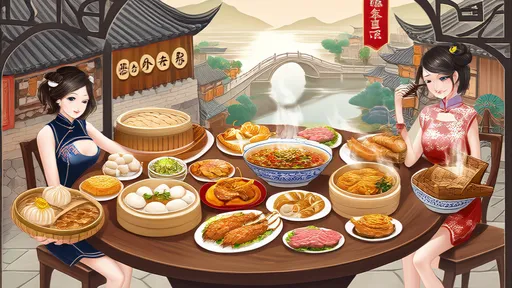
Another titan is Fo Mei Lou, a establishment that has stood the test of time by steadfastly adhering to the classics. Their dim sum service is theatrical and impeccable, with bamboo baskets arriving at the table releasing clouds of aromatic steam. From delicate har gow (shrimp dumplings) with translucent skins to fluffy char siu bao (barbecued pork buns), each item is a miniature masterpiece. For a taste of home-style cooking executed at a celestial level, their clay pot rice, with its crispy bottom layer of rice and flavorful toppings, is the stuff of legend.
No exploration of Shunde's old字号 is complete without acknowledging its aquatic heart. Surrounded by waterways, Shunde's cuisine is profoundly influenced by its freshwater harvest. Restaurants like Long Zhou Ji specialize in fish banquets, where a single, massive fish is transformed into a multi-course spectacle. The flesh might be sliced thinly for a delicate hot pot, the head and tail braised in a rich sauce, the bones deep-fried into a crispy snack, and the skin made into a salad. This "one fish, multiple dishes" approach is the ultimate display of respect for the ingredient and the culinary ingenuity Shunde is famous for.
Connecting the dots between the bustling street stalls and the refined banquet halls is the underlying philosophy that binds all of Shunde's food culture: an unwavering commitment to freshness and technique. Whether it's a vendor swiftly assembling a rice noodle roll or a master chef delicately scoring a fish for steaming, the skill on display is the result of a lifetime of dedication. There is a humility here, a focus on allowing supreme ingredients to speak for themselves, enhanced by flawless execution rather than complicated spicing or heavy sauces.
For the traveler, navigating this delicious landscape is a joy. The best strategy is to embrace both ends of the spectrum. Start your day with a bowl of congee from a bustling market stall, follow it with a delicate dessert of double-skinned milk, and then dedicate an evening to a long, leisurely banquet at one of the famed lao zihao. Let your senses guide you—follow the lines of locals, the sounds of satisfaction, and the incredible aromas that pour from every doorway.
In the end, Shunde offers more than just a list of dishes to try; it offers a deep dive into a living, breathing food culture. It is a place where history is tasted, not just read about, and where every meal, from the simplest snack to the most elaborate feast, is prepared with a pride and passion that is palpable. This map is your key to unlocking it all—a journey that will leave your palate enriched and your understanding of Chinese cuisine forever transformed.

By /Aug 22, 2025

By /Aug 22, 2025

By /Aug 22, 2025

By /Aug 22, 2025
By /Aug 22, 2025
By /Aug 22, 2025

By /Aug 22, 2025

By /Aug 22, 2025

By /Aug 22, 2025

By /Aug 22, 2025

By /Aug 22, 2025
By /Aug 22, 2025

By /Aug 22, 2025
By /Aug 22, 2025

By /Aug 22, 2025

By /Aug 22, 2025
By /Aug 22, 2025

By /Aug 22, 2025
By /Aug 22, 2025
By /Aug 22, 2025
