Stepping into the world of hiking can feel both exhilarating and overwhelming, especially when faced with the dizzying array of gear marketed to newcomers. The key to a successful start isn't about having the most expensive or technically advanced equipment; it's about having the right equipment. For a beginner, "right" means gear that is functional, durable, comfortable, and, most importantly, appropriate for the trails you plan to tackle. The goal is to get you out on the path safely and enjoyably, without the burden of decision fatigue or financial strain. This guide is built on that very principle: bypassing the hype to focus on practical, proven, and value-driven choices that will serve you well as you take your first steps into the great outdoors.
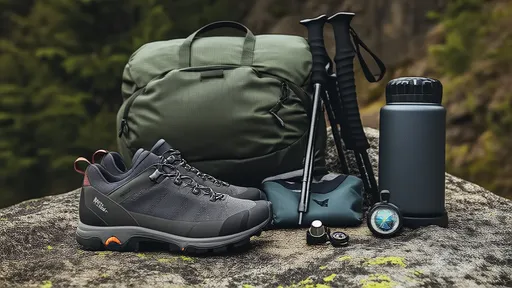
Let's start from the ground up, quite literally, with your footwear. Your shoes are arguably the most critical piece of gear you will buy; they connect you to the trail and bear the entire weight of your journey. The market is flooded with high-tech, ultra-stiff, and incredibly expensive boots that are often designed for seasoned thru-hikers tackling extreme terrain. As a beginner, you almost certainly do not need these. Instead, focus on finding a comfortable pair of trail runners or lightweight hiking shoes. Trail runners offer excellent grip, flexibility, and are much lighter than traditional boots, which reduces fatigue on your feet and legs. They are also quicker to break in and are perfectly suited for well-maintained trails and day hikes. Brands like Merrell, Salomon, and Keen offer fantastic entry-level options that provide solid support and waterproof capabilities without the intimidating price tag. Remember, the best shoe is the one that fits your foot perfectly. Spend time in an outdoor store trying on different models with the type of socks you plan to hike in. A proper fit, with a little room for your toes to wiggle and no pinch points, is far more important than any brand name or cutting-edge technology.
Next, consider what you'll carry your essentials in. A dedicated hiking backpack, different from your everyday laptop bag or school backpack, is designed to distribute weight evenly across your hips and back, making a load feel significantly lighter. For day hikes, a pack with a capacity between 20 and 30 liters is ideal. Look for features that enhance comfort and organization rather than sheer volume. A hip belt is non-negotiable; it should sit comfortably on your hips, transferring the pack's weight from your shoulders to your stronger core muscles. Padded shoulder straps and a breathable back panel are also crucial for comfort. Internal organization pockets help you keep important items like your phone, a knife, or a headlamp easily accessible without having to dig through the main compartment. While top-tier packs from Osprey or Gregory are superb, many more affordable brands like Deuter or Teton Sports offer packs with these essential features at a fraction of the cost. The goal is to find a pack that feels like a natural extension of your body, not a burden.
Staying hydrated is non-negotiable on the trail. Dehydration can lead to headaches, dizziness, and fatigue, quickly turning a fun outing into a miserable and potentially dangerous situation. While any reusable water bottle will hold water, a hydration system offers a significant advantage. A hydration reservoir, like those from CamelBak or Platypus, sits inside your pack with a hose that clips to your shoulder strap, allowing you to sip water frequently without breaking stride. This encourages consistent hydration. For a more budget-friendly option, a simple wide-mouth Nalgene bottle is virtually indestructible and easy to clean. A good rule of thumb is to carry at least two liters of water for a half-day hike, and more if you're hiking in hot weather or on strenuous terrain. Don't forget to consider water purification for longer trips. A simple squeeze filter, like a Sawyer Mini, is an inexpensive and lightweight tool that allows you to safely refill your bottles from streams and lakes, eliminating the need to carry all your water from the trailhead.
What you wear on your hike can make the difference between a comfortable adventure and a clammy, chafing ordeal. The golden rule of hiking clothing is to avoid cotton at all costs. Cotton absorbs sweat and moisture, holding it against your skin where it can lead to chafing and, in cooler weather, rapidly drop your body temperature—a phenomenon known as hypothermia. Instead, embrace synthetic materials like polyester and nylon or natural fibers like merino wool. These materials wick moisture away from your skin to the outer surface of the fabric where it can evaporate, keeping you dry and comfortable. Your clothing system should be built on layers. Start with a moisture-wicking base layer next to your skin. Add an insulating mid-layer, like a lightweight fleece or synthetic puffy jacket, for warmth. Top it off with a waterproof and windproof shell layer to protect you from the elements. This system allows you to add or remove layers as your body temperature and the weather change throughout your hike. You don't need to buy a full set from a high-end mountaineering brand; many affordable athletic and outdoor brands offer perfectly suitable synthetic shirts, leggings, and fleeces.
Beyond these core items, a few key essentials will round out your kit and significantly boost your safety and confidence on the trail. Navigation is paramount. While your smartphone is a powerful tool, its battery can fail. Always carry a detailed paper map of the area and a simple compass, and know how to use them together. A reliable headlamp is another must-have, even if you plan to finish your hike hours before sunset. Unexpected delays happen, and being caught in the dark without a light source is a serious safety risk. A basic first-aid kit tailored to blisters, cuts, and scrapes is essential. Include moleskin or blister patches, antiseptic wipes, bandages, and any personal medications. Lastly, never underestimate the power of nutrition. Pack high-energy, non-perishable snacks like nuts, granola bars, dried fruit, or jerky to keep your energy levels sustained throughout your hike.
Embarking on your hiking journey is about embracing exploration and building a connection with nature. The gear you choose should facilitate that experience, not complicate it or empty your wallet. By focusing on these fundamental, purpose-driven items—supportive footwear, a comfortable pack, a reliable hydration method, weather-appropriate clothing, and essential safety tools—you are building a foundation for countless adventures to come. The most expensive gear in the world will not make you a hiker; only miles on the trail will do that. Start smart, invest in comfort and safety where it counts, and remember that the best views are always earned, not bought.

By /Aug 22, 2025

By /Aug 22, 2025

By /Aug 22, 2025

By /Aug 22, 2025

By /Aug 22, 2025

By /Aug 22, 2025

By /Aug 22, 2025

By /Aug 22, 2025

By /Aug 22, 2025

By /Aug 22, 2025

By /Aug 22, 2025

By /Aug 22, 2025

By /Aug 22, 2025

By /Aug 22, 2025
By /Aug 22, 2025

By /Aug 22, 2025

By /Aug 22, 2025
By /Aug 22, 2025

By /Aug 22, 2025

By /Aug 22, 2025
