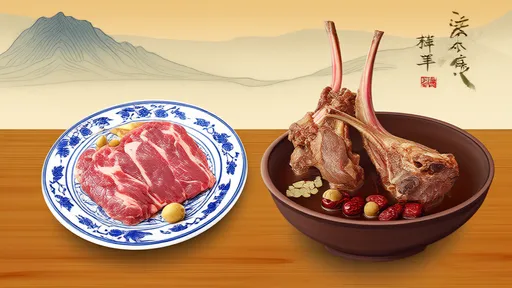
In the vast and diverse culinary landscape of China's northwest, two breeds of sheep stand out for their exceptional quality and distinct flavors: the Ningxia Tan sheep and the Xinjiang Altay Big Tail sheep. Both are celebrated cornerstones of regional cuisine, yet they offer remarkably different eating experiences shaped by their unique environments, rearing practices, and cultural heritage. For food enthusiasts and culinary explorers, understanding the nuances between these two types of lamb is not just a matter of taste, but a journey into the heart of northwestern China's rich pastoral traditions.
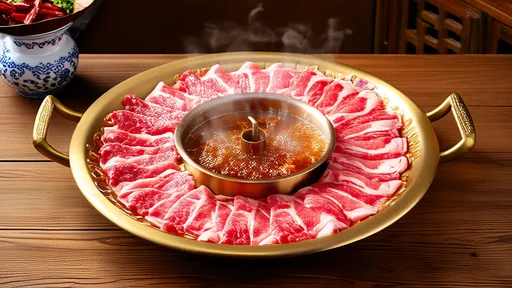
The Ningxia Tan sheep, often referred to as a "living fossil" breed, is primarily raised in the Ningxia Hui Autonomous Region, particularly around the areas irrigated by the Yellow River. This breed thrives in a semi-desert environment where it feeds on a specific type of saline-alkali grass and various herbal plants, which are believed to contribute significantly to its unique flavor profile. The meat of the Tan sheep is renowned for its tenderness and a distinctive, mild taste that is surprisingly devoid of the strong gaminess often associated with mutton. Its fine texture and delicate flavor make it a favorite for hot pot dishes and simple preparations like steaming or boiling, where the natural taste of the meat can be fully appreciated without heavy seasoning.
Conversely, the Xinjiang Altay Big Tail sheep is a product of the rugged, picturesque Altay Mountains in northern Xinjiang. This breed is well-adapted to the harsh climatic conditions of high altitudes and vast pastures. As the name suggests, these sheep are characterized by their large, fat-storing tails, which are a crucial energy reserve for surviving the cold winters. The meat from the Altay Big Tail sheep is generally richer and more robust in flavor compared to the Tan sheep. It possesses a deeper, more pronounced lamb taste that is cherished in Xinjiang's hearty and aromatic cuisine. The higher fat content, especially around the tail, renders beautifully during cooking, making it ideal for grilling, roasting, and stewing—methods that are central to Uyghur and Kazakh culinary traditions.
The differences in flavor and texture between these two breeds are a direct result of their diet and lifestyle. The Tan sheep's diet of alkaline grasses and herbs not only reduces the gamey odor but also subtly infuses the meat with a complex, almost sweet undertone. The animals are often free-ranging, which contributes to leaner muscle development. On the other hand, the Altay Big Tail sheep graze on a variety of mountain grasses, wild onions, and herbs, which impart a stronger, earthier flavor to their meat. Their active life traversing mountain slopes also leads to a firmer muscle structure, which, combined with generous marbling, results in a succulent and flavorful bite that stands up well to bold spices and slow cooking.
Culturally, both sheep breeds are deeply embedded in the local ways of life. In Ningxia, the Tan sheep is more than just a source of food; it is a symbol of regional pride and an integral part of the Hui Muslim community's culinary identity. Dishes featuring Tan lamb are often central to festivals and family gatherings, prepared with respect to highlight its natural qualities. In Xinjiang, the Altay Big Tail sheep is a cornerstone of the pastoral economy and the diverse food culture of the region. It is the key ingredient in iconic dishes such as kawaplar (skewers of grilled mutton), polo (a fragrant lamb pilaf), and nan (bread baked in tandoor ovens), which are enjoyed daily by people of various ethnic groups across the region.
From a culinary application standpoint, the choice between the two often depends on the desired outcome of the dish. The delicate and tender meat of the Ningxia Tan sheep is perfect for preparations where subtlety is key. It excels in soups, quick-boiled slices for hot pot, or simply steamed with minimal seasoning like salt and ginger to allow its inherent sweetness to shine. Its low gaminess also makes it more accessible to those who might be hesitant about trying lamb. The richer, more flavorful Altay Big Tail sheep, with its higher fat content, is better suited for methods that require longer cooking times or high heat. The fat bastes the meat from within, preventing it from drying out and creating an incredibly juicy and aromatic result. It is the preferred choice for making hearty stews, roasting whole, or grilling over charcoal, where its bold flavor can complement strong spices like cumin, chili, and Sichuan pepper.
In conclusion, while both the Ningxia Tan sheep and the Xinjiang Altay Big Tail sheep produce what can be considered premium quality lamb, they cater to different palates and culinary traditions. The Tan sheep offers a refined, gentle, and surprisingly sweet experience, a testament to the unique terroir of the Ningxia plains. The Altay Big Tail sheep provides a robust, hearty, and authentically pastoral flavor that is emblematic of Xinjiang's vast and wild landscapes. One is not superior to the other; rather, they represent two magnificent and delicious expressions of their respective environments. For any serious food lover, sampling and comparing these two iconic types of lamb is essential to understanding the depth and diversity of Chinese regional cuisine.

By /Aug 22, 2025

By /Aug 22, 2025

By /Aug 22, 2025

By /Aug 22, 2025

By /Aug 22, 2025

By /Aug 22, 2025

By /Aug 22, 2025

By /Aug 22, 2025

By /Aug 22, 2025

By /Aug 22, 2025

By /Aug 22, 2025
By /Aug 22, 2025

By /Aug 22, 2025

By /Aug 22, 2025

By /Aug 22, 2025

By /Aug 22, 2025

By /Aug 22, 2025

By /Aug 22, 2025
By /Aug 22, 2025

By /Aug 22, 2025
