Stepping into China's unique accommodation landscape reveals a fascinating spectrum of lodging experiences that blend traditional hospitality with modern innovation. From the ultra-compact efficiency of capsule hotels to the communal vibrancy of youth hostels, these accommodations tell a story of urbanization, changing travel patterns, and cultural adaptation. Unlike standardized hotel chains, these spaces offer intimate glimpses into how contemporary China balances space constraints with social connectivity, creating distinctive stays that range from purely functional to richly immersive.
The capsule hotel phenomenon arrived in China as an urban solution rather than a novelty concept. Originally imported from Japan, these micro-accommodations found particular resonance in cities like Shanghai, Beijing, and Shenzhen where space comes at a premium and transient populations require practical lodging. The Chinese interpretation often expands beyond the traditional capsule format, incorporating local design elements and technological integrations that reflect the country's rapid digitalization. What might appear as merely utilitarian sleeping pods actually represent sophisticated urban planning responding to population density and mobility patterns.
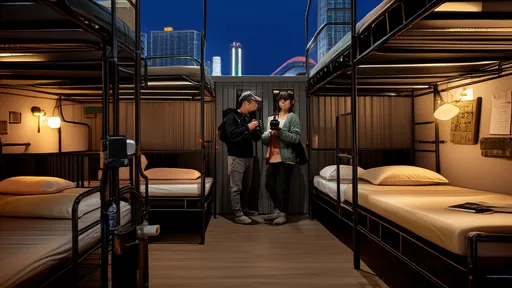
Walking into a typical Chinese capsule establishment immediately reveals a study in spatial efficiency. The individual units, typically measuring around 2 meters long by 1 meter wide by 1.2 meters high, contain surprisingly thoughtful amenities: integrated charging ports, adjustable lighting, ventilation systems, and sometimes even small televisions or touchscreen control panels. The materials tend toward sleek plastics and metals, creating a vaguely futuristic aesthetic that appeals to tech-savvy travelers. Despite the compact dimensions, clever design creates an impression of privacy through retractable shades or doors, separating occupants from the common areas.
Beyond the capsules themselves, these facilities typically offer shared amenities that demonstrate particular cultural considerations. Many feature elaborate tea stations with electric kettles and various tea options, recognizing the importance of tea culture in Chinese daily life. Shower facilities often include provisions for washing and drying clothing by hand—a common practice in China where electric dryers remain less prevalent. The common areas frequently incorporate smoking rooms or designated smoking areas, acknowledging smoking regulations while accommodating cultural habits.
Transitioning from capsule hotels to youth hostels reveals another dimension of China's accommodation scene. Chinese hostels have evolved far beyond the Spartan backpacker dormitories found elsewhere, developing a distinctive character that merges international hostel culture with local social patterns. These establishments often become cultural hubs where domestic and international travelers interact, creating microcosms of cultural exchange that reflect China's growing engagement with global tourism.
The physical design of Chinese youth hostels frequently incorporates traditional architectural elements reinterpreted for contemporary use. Courtyard layouts reminiscent of siheyuan residences might organize dormitories around shared spaces, encouraging interaction among guests. Traditional latticework, moon gates, or decorative elements often appear alongside modern furniture and amenities. This blending of old and new creates environments that feel distinctly Chinese while providing the comfort and functionality expected by modern travelers.
Social dynamics within Chinese hostels reveal fascinating cultural adaptations. Unlike Western hostels where strangers might spontaneously organize outings, Chinese hostel socializing often occurs through more structured activities organized by the hostel itself. Group meals featuring local cuisine, calligraphy classes, mahjong tournaments, or guided visits to nearby attractions create opportunities for interaction that align with Chinese social conventions. These organized activities help bridge the gap between Chinese travelers who might be less accustomed to hostel culture and international backpackers expecting social opportunities.
Technology integration in Chinese hostels surpasses what one might encounter elsewhere. Rather than simple Wi-Fi access, many feature comprehensive digital ecosystems: QR code access systems, mobile check-in procedures, social platforms for guests to connect before arrival, and sometimes even robotic delivery of amenities. This technological sophistication reflects China's broader digital transformation and the expectations of domestic travelers who increasingly rely on mobile solutions for daily activities.
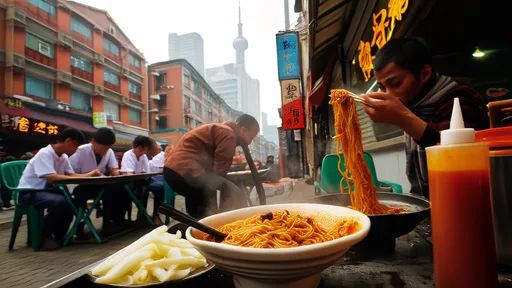
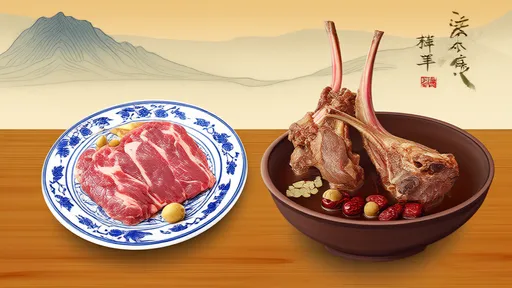
The culinary experience at Chinese hostels deserves particular attention. While hostels elsewhere might offer basic breakfast options, Chinese establishments often provide elaborate morning meals featuring regional specialties. A hostel in Xi'an might serve roujiamo (Chinese hamburgers) and mutton soup, while a Shanghai location could offer shengjian bao (pan-fried soup dumplings) and soy milk. These meals not only nourish guests but also serve as introductions to local food culture, often becoming highlights of the hostel experience.
Location strategies for these accommodations reveal intelligent adaptation to China's urban geography. Capsule hotels predominantly cluster around transportation hubs—airports, major railway stations, and bus terminals—catering to travelers needing convenient overnight stays between journeys. Youth hostels frequently position themselves near university campuses, historic districts, or emerging cultural neighborhoods where atmosphere and local character enhance the guest experience. This strategic placement ensures that each accommodation type serves its intended market effectively.
Price structures across these lodging categories demonstrate interesting market segmentation. Capsule hotels typically position themselves as premium budget options, costing slightly more than hostel dorm beds but significantly less than business hotels. Youth hostels offer tiered pricing that might include private rooms alongside dormitory accommodations, appealing to both budget travelers and those seeking more privacy without sacrificing social atmosphere. This flexible pricing reflects the diverse needs of China's growing travel market.
Cultural considerations significantly influence operational practices. Capsule hotels maintain strict quiet hours that align with Chinese concepts of communal harmony, while youth hostels might accommodate later socializing within designated areas. Service attitudes reflect Chinese hospitality values, with staff often taking genuinely personal interest in guest welfare beyond standard professional courtesy. These cultural nuances create distinctive atmospheric qualities that differentiate Chinese accommodations from their international counterparts.
Environmental sustainability has emerged as a growing concern within both accommodation categories. Capsule hotels naturally promote resource efficiency through their minimal spatial footprint and shared facilities. Many newer establishments incorporate energy-saving systems, water conservation measures, and waste reduction programs. Youth hostels frequently participate in cultural preservation efforts, organizing environmental clean-ups or promoting eco-friendly tourism practices among guests. This evolving environmental consciousness reflects broader societal values taking root in urban China.
The future evolution of these accommodations appears destined for further innovation. Capsule hotels experiment with premium pods featuring enhanced amenities targeting business travelers, while some youth hostels develop hybrid models incorporating co-working spaces to appeal to digital nomads. Technological integration continues advancing, with developments in smart environmental controls, facial recognition systems, and augmented reality experiences that enhance guest engagement with local culture. These innovations ensure that China's unique accommodation landscape will continue evolving in response to changing traveler needs and technological possibilities.
Ultimately, experiencing China through these distinctive lodgings provides more than just a place to sleep—it offers insight into how contemporary Chinese society balances tradition and modernity, individualism and community, technological advancement and human connection. From the efficient solitude of capsule pods to the vibrant social ecosystems of youth hostels, these accommodations embody the complexities and contradictions of modern China itself, creating memorable stays that transcend conventional hospitality experiences.

By /Aug 22, 2025

By /Aug 22, 2025

By /Aug 22, 2025

By /Aug 22, 2025
By /Aug 22, 2025
By /Aug 22, 2025

By /Aug 22, 2025

By /Aug 22, 2025

By /Aug 22, 2025

By /Aug 22, 2025
By /Aug 22, 2025
By /Aug 22, 2025

By /Aug 22, 2025
By /Aug 22, 2025

By /Aug 22, 2025

By /Aug 22, 2025

By /Aug 22, 2025

By /Aug 22, 2025
By /Aug 22, 2025

By /Aug 22, 2025
