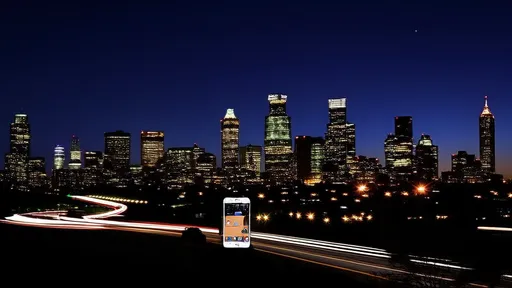
As dusk settles over the urban landscape, a transformation occurs that turns familiar cityscapes into canvases of light and shadow. Capturing this metamorphosis through photography has become both an art form and a technological challenge that spans from professional setups to smartphone convenience. The pursuit of the perfect city nightscape drives photographers to experiment with everything from heavy tripods to the most advanced computational photography in their pockets.
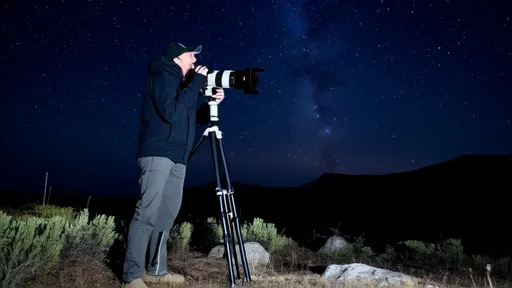
The foundation of professional urban night photography begins with stability. Tripods remain the undisputed champion for achieving razor-sharp images in low light conditions. Modern tripods have evolved to become both incredibly stable and surprisingly portable, with carbon fiber models offering the perfect balance between rigidity and weight. The importance of a solid foundation cannot be overstated when working with long exposures that can last several seconds or even minutes. Even the slightest vibration from traffic, wind, or pedestrian movement can ruin an otherwise perfect shot, making the tripod not just an accessory but an essential tool.
Camera selection and settings separate the amateur from the professional after dark. Full-frame cameras with larger sensors capture more light, producing cleaner images with less noise. Photographers typically shoot in manual mode, controlling three critical settings: ISO, aperture, and shutter speed. Keeping the ISO as low as possible minimizes digital noise while opening the aperture to its widest setting allows maximum light intake. The shutter speed then becomes the variable that photographers adjust based on the available light and desired effect. Many professionals bracket their exposures, taking multiple shots at different settings to blend later in post-processing.
Lens choice dramatically affects the character of urban night photography. Wide-angle lenses capture sweeping cityscapes and dramatic skies, while telephoto lenses isolate architectural details and compress distances between buildings. Prime lenses often provide sharper results with wider maximum apertures, though modern zoom lenses have narrowed the quality gap significantly. Many night photographers carry both types, switching between them as the scene demands. The emergence of light pollution filters has also given photographers tools to combat the orange haze that often plagues city shots, though these work best in areas with predominantly sodium-vapor lighting.
Timing proves crucial in urban night photography. The blue hour—that period after sunset but before full darkness—creates magical conditions when artificial lights glow against a deep blue sky. This window typically lasts only 20-40 minutes, requiring photographers to arrive early, set up their equipment, and work quickly. The position of the moon also influences planning, with a full moon providing natural fill light that illuminates architectural details without overwhelming the city lights. Weather conditions play their part too, as rain-slicked streets create beautiful reflections while fog can add atmosphere and mystery to urban scenes.
Composition techniques transform competent night shots into compelling photographs. Leading lines—from roads, bridges, or architectural features—guide the viewer's eye through the frame. Including human elements, whether silhouetted figures or light trails from moving vehicles, adds scale and narrative to cityscapes. Reflections in water or glass multiply the visual interest, while careful framing can use darker areas to balance brightly lit structures. The most successful night photographers often scout locations during daylight hours, identifying promising viewpoints and considering how the changing light will affect their compositions.
Post-processing represents the final stage in professional night photography. RAW format capture provides maximum flexibility for adjusting exposure, white balance, and contrast during editing. Software like Adobe Lightroom and Photoshop enable photographers to reduce noise, enhance details, and blend multiple exposures for dynamic range that exceeds what any single shot can capture. Advanced techniques focus on balancing the different color temperatures of various light sources—from the warm glow of tungsten streetlights to the cool blue of modern LED installations. The goal remains creating an image that feels true to the experience of being there while enhancing the visual impact beyond what the naked eye perceived.
While professional equipment delivers exceptional results, smartphone technology has democratized night photography in unprecedented ways. The latest phones contain sophisticated computational photography systems that combine multiple rapid exposures into a single optimized image. Night modes automatically detect low-light conditions and extend exposure times while employing powerful stabilization systems. These algorithms analyze and align successive frames, reducing noise and enhancing details that would be impossible to capture in a single shot. The convenience of having a capable night photography tool in your pocket has inspired millions to experiment with urban nightscapes who might never invest in dedicated camera equipment.
Modern smartphones employ remarkable technological innovations to overcome their physical limitations. Smaller sensors receive less light than professional cameras, but computational photography compensates through multi-frame processing and machine learning. Artificial intelligence recognizes common night photography subjects—buildings, streets, skies—and optimizes processing accordingly. Some devices even offer dedicated astrophotography modes that can capture stars invisible to the naked eye in urban environments. The gap between smartphone and professional camera results continues to narrow, particularly for sharing images on social media or viewing on digital devices.
Accessories can significantly enhance smartphone night photography capabilities. Mini-tripods or stabilizing grips address the camera shake that plagues handheld low-light shots. Clip-on lenses provide wider angles or telephoto capabilities beyond the phone's native zoom. External lighting options, from small LED panels to light painting tools, offer creative possibilities for illuminating foreground elements. Perhaps most importantly, smartphone photographers benefit from apps that provide manual control over ISO, shutter speed, and focus—functionality that remains hidden in standard camera apps. These applications effectively turn smartphones into surprisingly capable manual cameras.
Successful smartphone night photography relies on technique as much as technology. Keeping the phone perfectly steady remains essential, whether using a tripod, stabilizing against a solid surface, or employing deliberate breathing techniques when shooting handheld. Tapping to set focus and exposure on the brightest part of the scene often produces better results than letting the phone make automatic decisions. Using timer functions or volume buttons as shutter releases prevents camera shake from finger pressure. Many experienced smartphone photographers shoot in RAW format when possible, preserving maximum data for later editing in mobile applications that grow more sophisticated each year.
Composition principles remain consistent across professional and smartphone photography, though each medium presents unique opportunities and limitations. Smartphone photographers often benefit from their devices' portability, accessing viewpoints that might be impractical with bulkier equipment. The live preview on phone screens allows for immediate assessment of exposure and composition, while built-in editing tools enable quick adjustments on location. The connectivity of smartphones facilitates instant sharing of successful shots, creating immediate feedback loops that can accelerate photographic learning. These advantages help explain why some stunning urban night photographs now originate from phones rather than dedicated cameras.
The evolution of urban night photography continues as both professional equipment and smartphone technology advance. Mirrorless cameras now offer incredible low-light performance in increasingly compact bodies, while computational photography techniques developed for phones influence professional software development. The growing popularity of urban exploration and social media sharing drives innovation across all price points. What remains constant is the magical appeal of cities after dark—the interplay of architecture and illumination, of humanity and technology, of shadow and light. This enduring fascination ensures that photographers will continue finding new ways to capture the night, whether with three thousand dollars worth of gear or the phone in their pocket.
Ultimately, the best camera for urban night photography remains the one you have with you when inspiration strikes. Professional equipment offers unparalleled image quality and creative control for those willing to master its complexities. Smartphones provide astonishing results with convenience and immediacy that professional gear cannot match. The most important element isn't the equipment but the photographer's eye—the ability to see potential images in the interplay of light and shadow, to anticipate moments of visual harmony, and to compose frames that tell stories about our cities after dark. As technology continues to evolve, the creative possibilities for capturing the urban night will only expand, inviting more people than ever to participate in this rewarding photographic pursuit.

By /Aug 22, 2025
By /Aug 22, 2025

By /Aug 22, 2025

By /Aug 22, 2025

By /Aug 22, 2025

By /Aug 22, 2025
By /Aug 22, 2025

By /Aug 22, 2025

By /Aug 22, 2025
By /Aug 22, 2025
By /Aug 22, 2025

By /Aug 22, 2025
By /Aug 22, 2025

By /Aug 22, 2025

By /Aug 22, 2025

By /Aug 22, 2025

By /Aug 22, 2025
By /Aug 22, 2025

By /Aug 22, 2025

By /Aug 22, 2025
