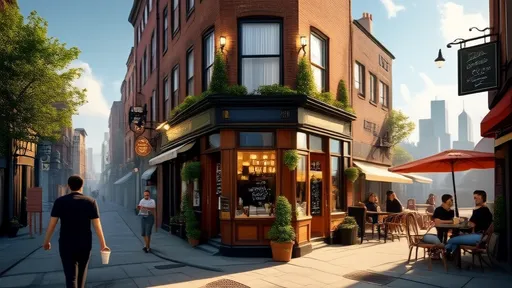
In the labyrinth of modern Chinese cities, a quiet revolution is brewing—literally. Beyond the ubiquitous Starbucks and Costa Coffee storefronts, a vibrant ecosystem of independent cafes has taken root, each offering not just expertly crafted beverages but distinct cultural experiences that reflect the unique character of their urban environments.
Shanghai, with its blend of colonial history and hyper-modernity, serves as the epicenter of this movement. Wander through the tree-lined streets of the former French Concession, and you’ll stumble upon cozy spaces like Small Arms Big Heart—a cafe known for its minimalist aesthetic and meticulously sourced single-origin beans. Here, the baristas are artisans, often engaging patrons in conversations about processing methods and tasting notes. It’s a far cry from the transactional nature of chain coffee; it’s personal, almost intimate.
Beijing’s hutongs offer a different vibe altogether. In these ancient alleyways, cafes like Barista Spear have carved out niches within traditional siheyuan courtyards. The contrast is striking: sipping a perfectly pulled espresso while seated on a refurbished wooden stool, with grey bricks and sloping tiled roofs framing the view. These spaces often double as art galleries or live music venues, embodying the city’s gritty, creative spirit. They are oases of calm and creativity amidst the capital’s relentless pace.
Head south to Guangzhou, and the scene shifts again. The city’s pragmatic, business-oriented culture is mirrored in its cafes, which prioritize efficiency without sacrificing quality. Easy Coffee, a local favorite, is all about no-frills excellence—small in size but big on flavor. The focus here is on the coffee itself, served quickly to a clientele that appreciates a good roast but hasn’t got time for pretension. It’s coffee for the connoisseur on the go.
Chengdu’s independent cafes, much like the city itself, are laid-back and sociable. Spaces like Southwest Brew often feature sprawling interiors with plenty of seating, encouraging patrons to linger for hours. It’s common to see groups of friends playing board games or freelancers tapping away on laptops, all fueled by innovative drinks that sometimes incorporate local flavors like Sichuan pepper or citrus notes from nearby farms. The atmosphere is warm, inclusive, and unmistakably Chengdu.
In Xiamen, the coffee culture is infused with coastal tranquility. Many of the best independent cafes are nestled in the historic Gulangyu Island or along the serene beaches, offering stunning views alongside their brews. Ocean’s Whisper Cafe is a prime example, where the sound of waves provides the backdrop to every cup. The coffee here is often light and bright, much like the city’s ambiance, with an emphasis on pour-overs and cold brews that suit the subtropical climate.
Hangzhou’s cafes draw inspiration from the city’s natural beauty. Overlooking the West Lake or hidden in lush bamboo forests, spots like Lakeside Grind focus on creating a harmonious experience. The interior design frequently incorporates natural materials—wood, stone, and plenty of greenery—blurring the line between inside and outside. It’s a place where you can enjoy a matcha latte or a locally inspired longjing coffee while feeling completely immersed in nature.
What unites these diverse scenes is a shared commitment to quality and community. Independent cafe owners across China are deeply passionate about their craft, often traveling to Yunnan—China’s emerging coffee region—to directly source beans. This not only supports local farmers but also allows for a unique terroir to shine through in every cup. The result is a cup of coffee that tells a story, from high-altitude harvest to careful roasting and brewing.
Moreover, these cafes have become cultural hubs. They host poetry readings, photography exhibitions, and coffee workshops, fostering a sense of belonging among regulars. In a rapidly changing society, they offer a constant—a place to pause, reflect, and connect. They are the living rooms of the city, open to all.
The rise of independent cafes also reflects broader shifts in Chinese consumer behavior. A growing middle class, increasingly well-traveled and discerning, seeks out authentic experiences over mass-produced products. They value storytelling, sustainability, and craftsmanship—values that these cafes embody perfectly. This isn’t just a trend; it’s a movement towards more mindful consumption.
For the coffee lover exploring China, skipping the chains and seeking out these independent gems is highly rewarding. Each city offers a unique narrative, a different flavor profile, and a distinct atmosphere. From the artistic alleys of Shanghai to the tranquil shores of Xiamen, the journey through China’s independent coffee scene is as rich and varied as the country itself. It’s a journey of taste, but also one of culture, community, and connection.
So next time you find yourself in a Chinese metropolis, ditch the familiar and venture into a local cafe. Strike up a conversation with the barista, sample a brew made with beans from Yunnan, and soak in the ambiance. You’ll leave with more than just a caffeine buzz—you’ll take away a piece of the city’s soul.

By /Aug 22, 2025
By /Aug 22, 2025

By /Aug 22, 2025

By /Aug 22, 2025
By /Aug 22, 2025
By /Aug 22, 2025

By /Aug 22, 2025

By /Aug 22, 2025

By /Aug 22, 2025
By /Aug 22, 2025

By /Aug 22, 2025
By /Aug 22, 2025

By /Aug 22, 2025
By /Aug 22, 2025

By /Aug 22, 2025

By /Aug 22, 2025

By /Aug 22, 2025

By /Aug 22, 2025
By /Aug 22, 2025
By /Aug 22, 2025
