In the realm of Cantonese cuisine, few dishes capture the essence of culinary precision and tradition quite like Chaoshan beef hotpot. This revered culinary practice, originating from the Chaoshan region in Guangdong province, is not merely a meal but an art form—a symphony of flavors orchestrated through meticulous timing and an intimate understanding of beef anatomy. At its heart lies a fundamental principle: each cut of beef, with its unique texture, marbling, and muscle structure, demands a specific duration in the simmering broth to achieve perfection. Too brief, and the meat remains undercooked and chewy; too long, and it transforms into a tough, flavorless disappointment. Thus, mastering the optimal blanching times for different beef cuts is the gateway to unlocking the full potential of this iconic dish.
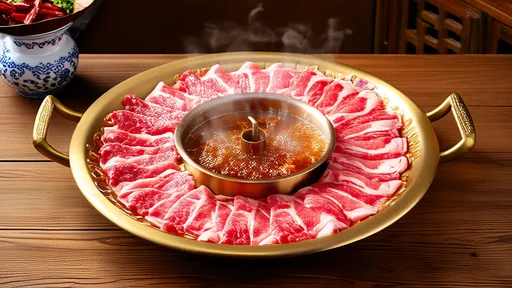
The foundation of Chaoshan beef hotpot begins with the broth itself—a clear, delicate base typically made from simmered beef bones, daikon radish, and sometimes a hint of ginger or cilantro. This minimalist approach ensures that the natural sweetness and umami of the beef remain the star, unadulterated by overpowering spices or sauces. Diners are provided with a personal strainer or ladle, allowing them to immerse thin slices of beef into the gently bubbling broth for precisely timed intervals. Accompaniments like homemade shacha sauce, citrusy ponzu, or fresh cilantro elevate the experience, but it is the beef itself that commands attention.
Among the most prized cuts is the tenderloin, known for its buttery texture and mild flavor. Sliced paper-thin, this lean muscle requires the briefest of immersions—a mere 3 to 5 seconds—to achieve a blush-pink hue and melt-in-the-mouth tenderness. Overcooking even slightly can rob it of its delicate juiciness, making timing critical. Similarly, the eye of round, another lean cut, benefits from a swift 6 to 8 seconds in the broth. Its firm yet tender bite is best preserved with minimal heat exposure.
Moving to slightly richer cuts, the sirloin offers a balance of lean meat and subtle marbling. Its optimal blanching time ranges from 8 to 10 seconds, allowing the fat to soften just enough to release its aroma without rendering completely. This cut embodies the harmony of texture and flavor that defines Chaoshan hotpot. The ribeye, with its generous intramuscular fat, demands a touch more patience—10 to 12 seconds—to let the marbling melt into the meat, creating a luxurious, juicy bite that lingers on the palate.
For those who appreciate robust textures, the brisket presents a compelling choice. This cut, often with a layer of connective tissue, requires a longer blanch of 12 to 15 seconds to tenderize without losing its characteristic chew. It is a cut that rewards patience, offering a satisfying mouthfeel that contrasts beautifully with more delicate slices. The shank, another muscular cut, similarly thrives with 15 to 18 seconds of heat, allowing its dense fibers to relax just enough to become tender yet resilient.
Then there are the off-cuts and specialties, such as beef meatballs hand-pounded to a springy consistency. These require a more substantial 3 to 4 minutes of cooking to ensure they are heated through while retaining their bounce. Beef tripe, a textural delight for adventurous eaters, needs careful attention: blanched for 20 to 30 seconds for a crisp bite, or longer for a softer texture. Each of these components underscores the diversity within the beef hotpot tradition, where every element has its place and time.
The cultural significance of these timing nuances cannot be overstated. In Chaoshan households, this knowledge is passed down through generations, often accompanied by lively discussions around the dining table about the ideal second to retrieve a slice. It is a practice that fosters connection—not only to the food but to the people sharing the meal. Modern restaurants sometimes provide timers or guidance, but purists argue that the true mastery comes from intuition honed by experience.
Beyond tradition, there is science at play. The varying blanching times correspond to the denaturation temperatures of proteins and the rendering points of fats in different muscle tissue. Lean cuts, with less collagen, cook rapidly, while tougher cuts benefit from slightly longer exposure to break down connective tissues without overcooking the meat itself. This interplay of heat and tissue is what makes the Chaoshan approach both a culinary and a technical marvel.
As global interest in regional Chinese cuisines grows, the Chaoshan beef hotpot has found admirers worldwide. Yet, its soul remains rooted in the meticulous attention to timing that transforms simple ingredients into an extraordinary experience. Whether enjoyed in a bustling Shantou eatery or a quiet home kitchen, the dance of beef in the broth—a few seconds more or less—is what separates the ordinary from the sublime. In the end, it is a reminder that greatness often lies in the smallest of details.

By /Aug 22, 2025

By /Aug 22, 2025

By /Aug 22, 2025

By /Aug 22, 2025
By /Aug 22, 2025
By /Aug 22, 2025

By /Aug 22, 2025

By /Aug 22, 2025

By /Aug 22, 2025

By /Aug 22, 2025

By /Aug 22, 2025
By /Aug 22, 2025

By /Aug 22, 2025

By /Aug 22, 2025

By /Aug 22, 2025

By /Aug 22, 2025

By /Aug 22, 2025

By /Aug 22, 2025
By /Aug 22, 2025

By /Aug 22, 2025
