Nestled within the rugged expanse of Western Sichuan, where the earth meets the sky in a dramatic crescendo of snow-capped peaks, lie some of Asia's most breathtaking mountain vistas. For photographers and travelers alike, the quest to capture the sublime beauty of Gongga Shan and the Four Sisters Mountains represents a pilgrimage of both spirit and skill. These giants, standing as silent sentinels over the Tibetan Plateau, offer vistas that challenge the lens to convey their grandeur. This guide delves into the prime vantage points for photographing these iconic peaks, blending practical advice with the sheer wonder of high-altitude landscapes.
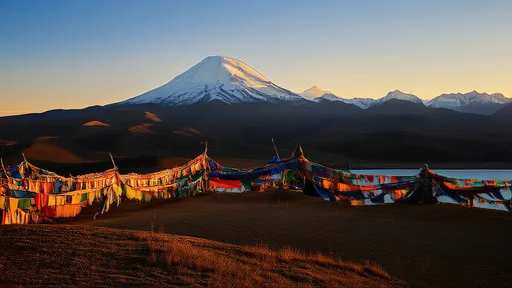
The journey to photograph Gongga Shan, known also as Minya Konka, often begins with a mix of anticipation and reverence. Towering at 7,556 meters, it is the highest peak in Sichuan and has long captivated mountaineers and artists. One of the most celebrated spots for capturing its majesty is from the vantage point near the town of Xinduqiao. Here, the open valleys and rolling hills provide a foreground that contrasts sharply with the sharp, icy summit of Gongga. Early mornings are particularly magical, as the first rays of sun ignite the peak in a warm, golden glow, while mist often lingers in the valleys below, adding layers of depth to compositions.
Another exceptional location for photographing Gongga Shan is from the foothills around the Hailuogou Glacier Park. This area not only offers direct views of the mountain but also incorporates dynamic elements like ancient glaciers and lush forests into the frame. The key here is to experiment with different perspectives; wide-angle lenses can embrace the vastness, while telephoto options isolate intricate details of the ice and rock. Visiting during autumn enhances the scene, as the foliage transforms into a riot of reds and yellows, creating a vibrant contrast against the stark white of the snow.
Transitioning northward, the Four Sisters Mountains, or Siguniang Shan, present a different yet equally mesmerizing photographic opportunity. Comprising four distinct peaks, each said to represent a sister in local folklore, this range exudes a graceful, almost mythical aura. The best-known viewpoint is from the Shuangqiao Valley, where accessible boardwalks and trails lead to open meadows that frame the mountains perfectly. Here, photographers often wait for the soft light of late afternoon, when the sun casts long shadows and highlights the textured ridges of the peaks.
For those seeking a more adventurous angle, the Changping Valley offers a deeper immersion into the landscape. This area requires a bit more effort to access, often involving horseback or long hikes, but the rewards are unparalleled. The valley's pristine streams and alpine flora provide compelling foregrounds, especially during spring when wildflowers bloom in abundance. Capturing the reflection of the mountains in these calm waters during sunrise can yield images of surreal beauty, blending reality with its mirrored illusion.
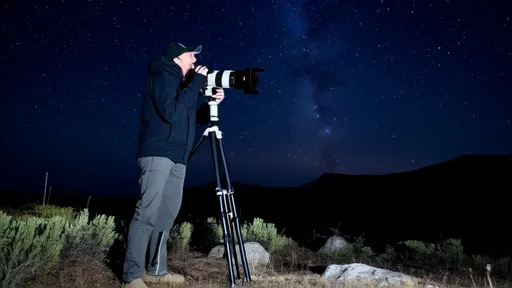
Weather and timing play crucial roles in successful mountain photography in this region. The climates around Gongga and the Four Sisters are notoriously unpredictable, with conditions shifting from clear skies to thick fog within minutes. Thus, patience is not just a virtue but a necessity. Many seasoned photographers plan extended stays, allowing multiple attempts to seize the perfect moment. The post-rain periods often yield the clearest air and most dramatic skies, with clouds swirling around the peaks like ethereal veils.
Beyond technical considerations, engaging with the local culture can enrich the photographic experience. The Tibetan communities surrounding these mountains hold deep spiritual connections to the land, and incorporating elements of their daily life—such as prayer flags fluttering in the wind or traditional stone houses—can add narrative depth to your images. Respect for these cultural symbols is paramount; always seek permission when photographing people or sacred sites.
In essence, photographing Gongga Shan and the Four Sisters Mountains is as much about embracing the journey as it is about the final shot. It requires a blend of preparation, adaptability, and a keen eye for the fleeting moments when light and landscape converge in perfect harmony. Whether you're framed by the autumn hues of Xinduqiao or the spring blossoms of Changping Valley, these peaks offer endless inspiration, reminding us that some of nature's greatest masterpieces are best witnessed through the lens of patience and passion.

By /Aug 22, 2025

By /Aug 22, 2025
By /Aug 22, 2025

By /Aug 22, 2025
By /Aug 22, 2025
By /Aug 22, 2025
By /Aug 22, 2025

By /Aug 22, 2025

By /Aug 22, 2025
By /Aug 22, 2025

By /Aug 22, 2025
By /Aug 22, 2025

By /Aug 22, 2025

By /Aug 22, 2025

By /Aug 22, 2025

By /Aug 22, 2025

By /Aug 22, 2025
By /Aug 22, 2025

By /Aug 22, 2025
By /Aug 22, 2025
